Subscribe to our Collectors Mailing List to receive invitations to exclusive events, information about our artists and exhibitions as well as exclusive artwork releases.
Richard Avedon
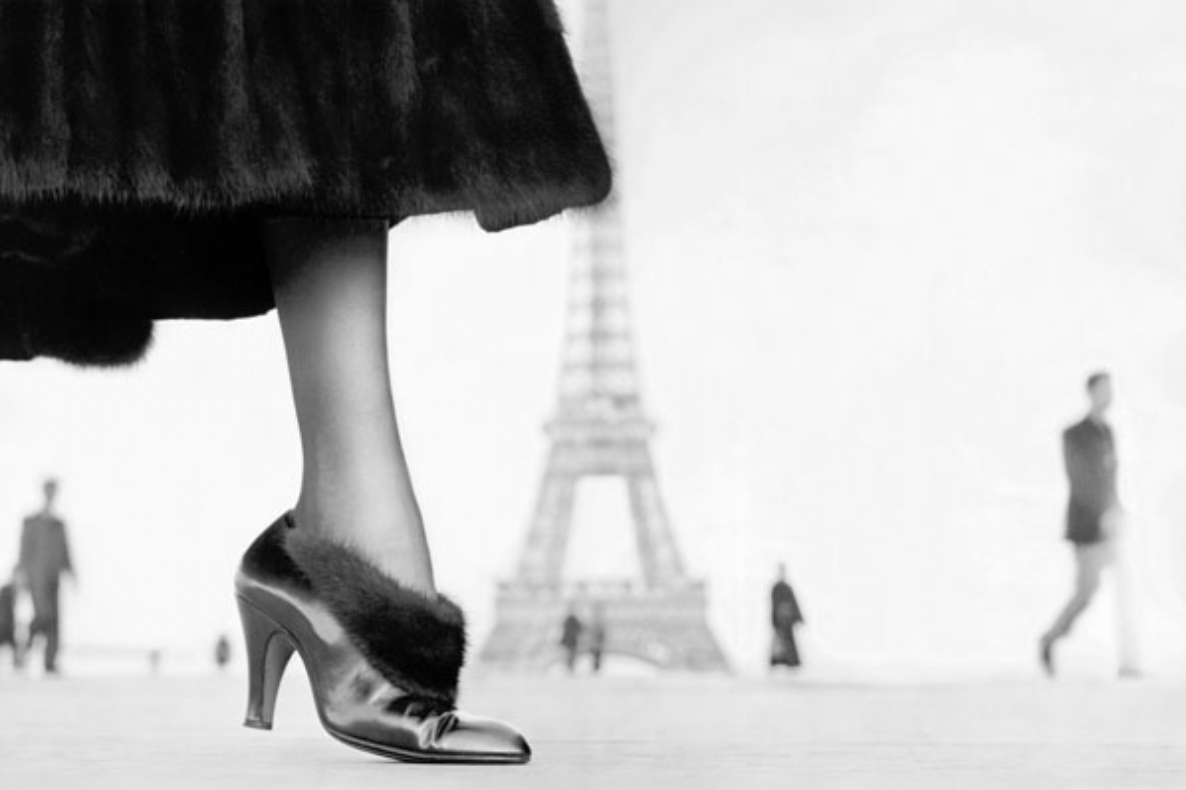
Richard Avedon (1923–2004) was born and lived in New York City. His interest in photography began at an early age, and he joined the Young Men’s Hebrew Association (YMHA) camera club when he was twelve years old. He attended DeWitt Clinton High School in the Bronx, where he co-edited the school’s literary magazine, The Magpie, with James Baldwin. He was named Poet Laureate of New York City High Schools in 1941.
Avedon joined the armed forces in 1942 during World War II, serving as Photographer’s Mate Second Class in the U.S. Merchant Marine. As he described it, »My job was to do identity photographs. I must have taken pictures of one hundred thousand faces before it occurred to me I was becoming a photographer.«
After two years of service, he left the Merchant Marine to work as a professional photographer, initially creating fashion images and studying with art director Alexey Brodovitch at the Design Laboratory of the New School for Social Research.
At the age of twenty-two, Avedon began working as a freelance photographer, primarily for Harper’s Bazaar. Initially denied the use of a studio by the magazine, he photographed models and fashions on the streets, in nightclubs, at the circus, on the beach and at other uncommon locations, employing the endless resourcefulness and inventiveness that became a hallmark of his art. Under Brodovitch’s tutelage, he quickly became the lead photographer for Harper’s Bazaar. (…)
Throughout, Avedon ran a successful commercial studio, and is widely credited with erasing the line between art and commercial photography. His brand-defining work and long associations with Calvin Klein, Revlon, Versace, and dozens of other companies resulted in some of the best-known advertising campaigns in American history. These campaigns gave Avedon the freedom to pursue major projects in which he explored his cultural, political, and personal passions. He is known for his extended portraiture of the American Civil Rights movement, the Vietnam war and a celebrated cycle of photographs of his father, Jacob Israel Avedon. In 1976, for Rolling Stone magazine, he produced The Family, a collective portrait of the American power elite at the time of the country’s bicentennial election. From 1979 to 1985, he worked extensively on a commission from the Amon Carter Museum of American Art, ultimately producing the show and book In the American West.
Avedon’s first museum retrospective was held at the Smithsonian Institution in 1962. Many major museum shows followed, including two at the Metropolitan Museum of Art (1978 and 2002), the Minneapolis Institute of Arts (1970), the Amon Carter Museum of American Art (1985), and the Whitney Museum of American Art (1994). His first book of photographs, Observations, with an essay by Truman Capote, was published in 1959. He continued to publish books of his works throughout his life, including Nothing Personal in 1964 (with an essay by James Baldwin), Portraits 1947–1977 (1978, with an essay by Harold Rosenberg), An Autobiography (1993), Evidence 1944–1994 (1994, with essays by Jane Livingston and Adam Gopnik), and The Sixties (1999, with interviews by Doon Arbus).
Text from The Richard Avedon Foundation.